Life today rarely slows down. Long work hours, constant notifications, irregular eating habits—these have quietly become part of everyday routines. In the middle of all this, many people are beginning to look for simple, practical ways to feel better without overcomplicating things.
One noticeable shift has been the growing role of herbal and wellness teas. What used to be seen as an occasional home remedy is now finding a place in daily routines. Not as a trend, but as something people return to consistently—for balance, comfort, and everyday wellness.
Understanding Herbal and Wellness Teas
Herbal teas, often referred to as tisanes, are different from traditional tea. Instead of coming from the Camellia sinensis plant, they are made using a mix of herbs, spices, flowers, roots, and seeds.
This variety is what gives herbal tea its relevance. Ingredients like tulsi, ginger, chamomile, peppermint, and turmeric have been part of traditional wellness practices for generations. When used together in blends, they offer a range of benefits that go beyond simple hydration.
Rather than being just another beverage, herbal tea becomes something functional—something that supports daily well-being in a subtle but consistent way.
Why Herbal Teas Are Becoming a Daily Essential
A Natural Pause in a Busy Routine
Modern routines rarely leave space to slow down. Even short breaks are often filled with screens or distractions. The process of making tea, however, naturally creates a pause.
Boiling water, letting the ingredients steep, waiting for the aroma to develop—these small steps introduce a moment of stillness. Over time, this becomes less about the drink and more about the experience itself.
A Shift Toward Everyday Wellness
There is a growing understanding that health is shaped by daily habits. Instead of depending only on occasional treatments, people are paying more attention to what they consume every day.
Herbal teas fit easily into this mindset. Certain ingredients are commonly associated with specific benefits:
- Ginger and cinnamon are often used to support digestion
- Tulsi and turmeric are linked with immune support
- Chamomile and lavender are known for their calming effects
These are not quick fixes. They are part of a more consistent, long-term approach to well-being.
Moving Away from Sugary and Artificial Drinks
Another change that is hard to ignore is the move away from sugary beverages and high-caffeine drinks. Many are beginning to replace them with options that feel lighter and more natural.
Herbal teas offer that alternative. They are typically free from artificial additives and can be enjoyed without the heaviness associated with overly processed drinks. For many, this shift is less about restriction and more about making better everyday choices.
The Role of Simple Daily Rituals
There is also a growing appreciation for routine. Not rigid schedules, but small, repeatable habits that bring a sense of balance.
A cup of tea in the morning, after meals, or before bed becomes one such habit. It does not demand effort, yet it adds structure to the day. Over time, this routine starts to feel grounding—something steady in an otherwise unpredictable schedule.
Common Herbal Blends and Their Uses
One of the reasons herbal tea continues to grow in popularity is its versatility. Different blends serve different purposes, making it easier to match tea with specific needs.
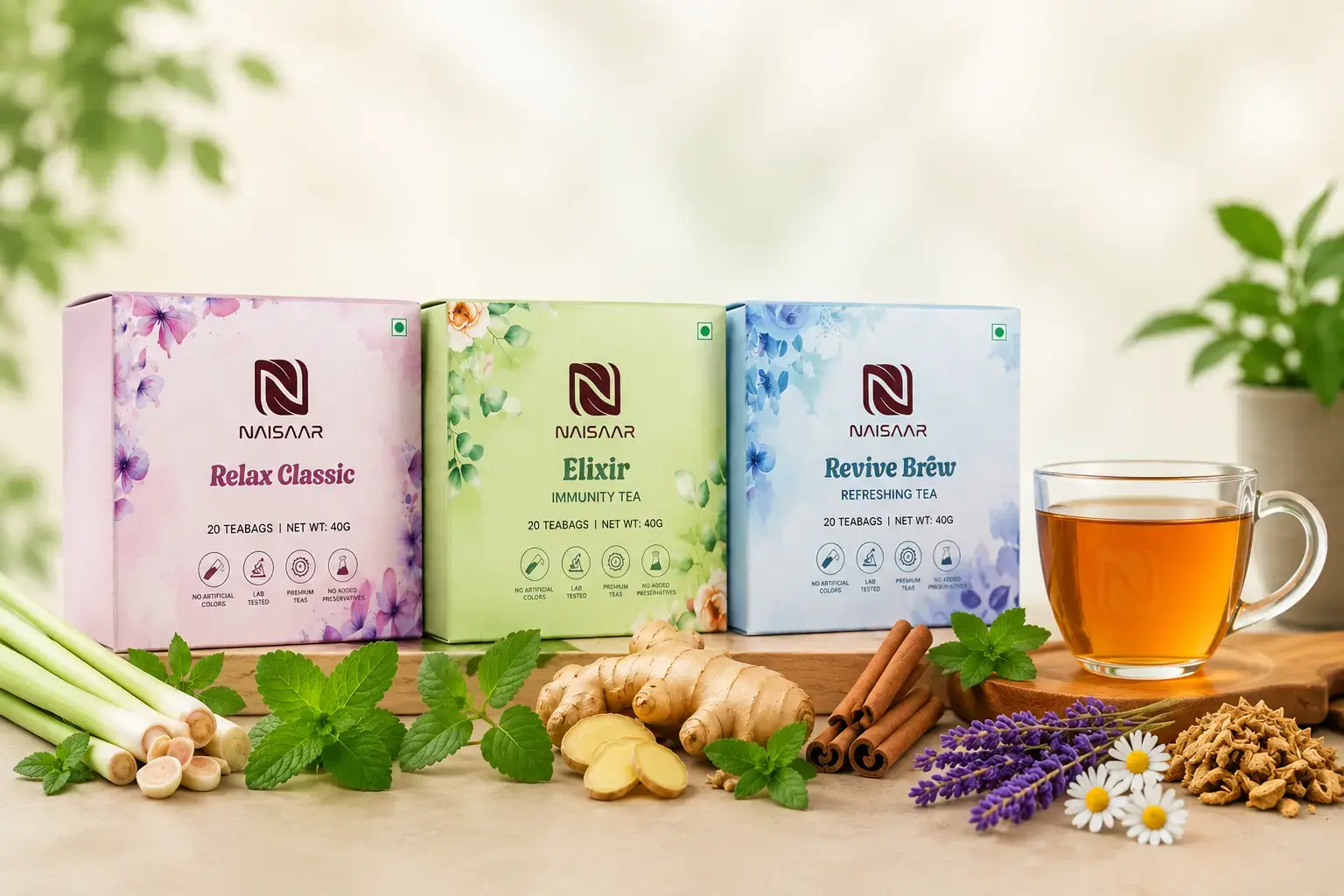
Ginger-based teas are often preferred after meals, especially when digestion feels heavy. Peppermint is commonly chosen for its refreshing quality and its role in supporting gut comfort. Chamomile is widely associated with evening routines, helping the body wind down. Turmeric blends are valued for their long-standing use in wellness practices, while hibiscus is often enjoyed for hydration.
This flexibility allows herbal tea to fit into different parts of the day without feeling repetitive.
The Science Behind the Shift
Beyond traditional use, there is also scientific interest in the compounds found in herbal ingredients. Antioxidants help reduce oxidative stress in the body, while certain plant compounds support digestion, metabolism, and overall balance.
Adaptogenic herbs such as ashwagandha and tulsi are known for their role in helping the body respond to stress. Ingredients like peppermint contain natural oils that contribute to their soothing effects.
This combination of traditional knowledge and modern understanding adds to the growing trust in herbal teas.
Growing Demand in India and Beyond
In India, herbal tea is not a new concept. It is deeply connected to traditional systems like Ayurveda, where ingredients such as tulsi, fennel, triphala, and ginger have been used for generations.
What has changed is how these ingredients are being consumed. Today, they are available in more convenient formats and are reaching a wider audience. This is reflected in the increasing interest around searches like best herbal tea India and herbal tea online, showing how people are actively exploring these options.
Convenience and Everyday Accessibility
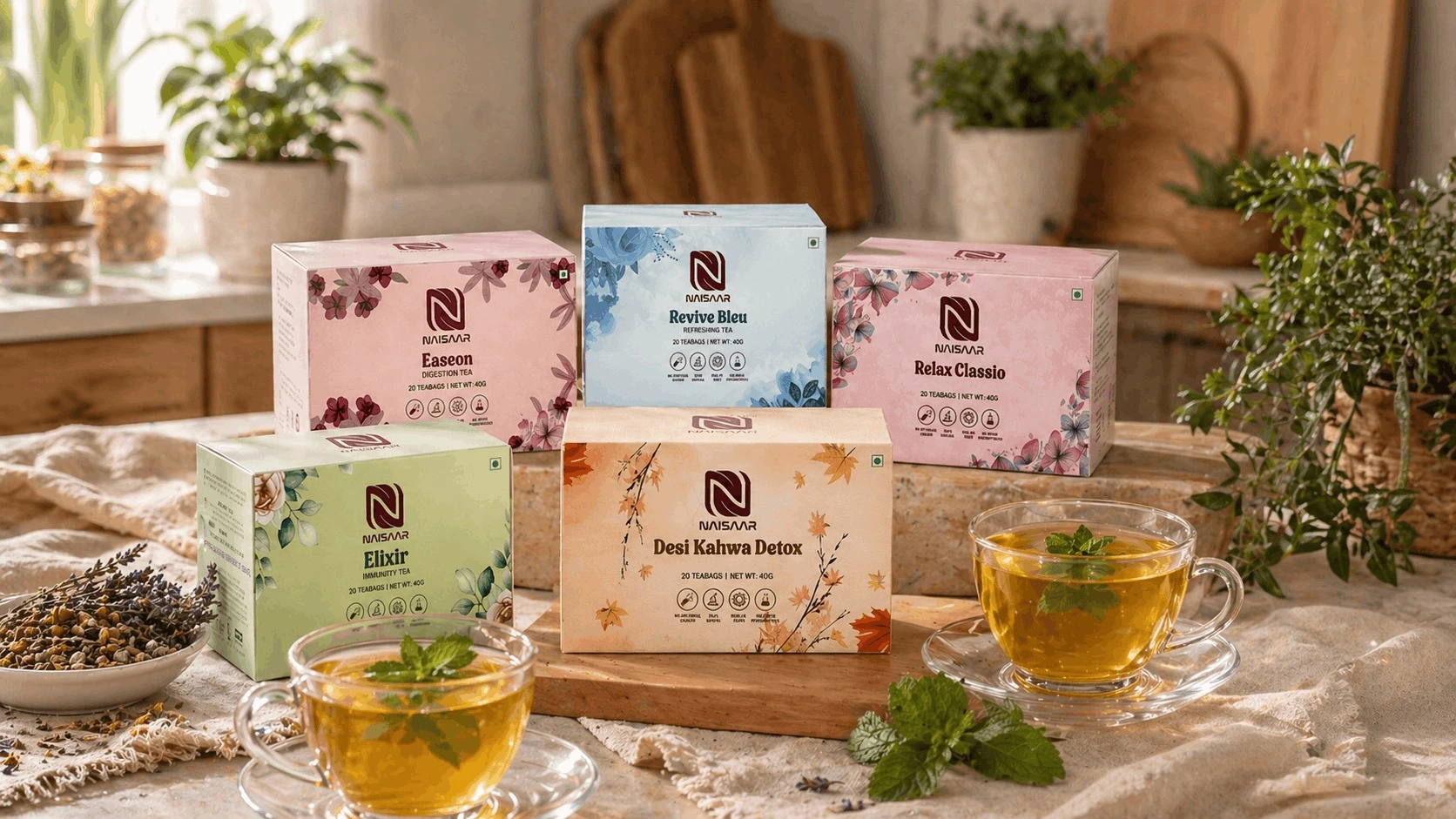
Availability has played a major role in making herbal tea a daily habit. Loose-leaf blends, tea bags, and ready-to-brew formats make it easy to prepare without much effort.
Buying herbal tea online has also made access simpler. Instead of relying only on local options, consumers can now explore a wider variety of blends and choose what fits their routine best.
Choosing the Right Tea for Daily Needs
Not all herbal teas serve the same purpose, and that is what makes them useful.
- For digestion: ginger, fennel, ajwain
- For immunity: tulsi, turmeric, cinnamon
- For relaxation: chamomile, lavender
- For refreshment: mint, lemongrass
Choosing the right blend often comes down to understanding what the body needs at different times of the day.
Conclusion
The rise of herbal and wellness teas is not just about changing preferences—it reflects a broader shift in how daily habits are viewed.
There is a move toward simplicity, toward choices that support well-being without adding complexity. Herbal tea fits naturally into this space. It does not require a major lifestyle change, yet it contributes to one.
As more people look for practical ways to maintain balance—whether by exploring the best herbal tea in India or choosing to buy herbal tea online—this shift is likely to continue.
What once felt optional is now becoming part of everyday life.